


Blue Origins:
A Comprehensive History from Conception to Present (2000-Present):
Founding and Early Years (2000-2010):
- Founding (2000): Blue Origin was founded by Jeff Bezos with the vision of enabling private human spaceflight.
- Secretive Development (2000s): Blue Origin operated in stealth mode, keeping its projects largely confidential.
Suborbital Space Tourism (2010s):
- New Shepard Unveiling (2015): Blue Origin unveiled its suborbital New Shepard spacecraft and rocket system for space tourism.
- First Successful Flight (2015): New Shepard achieved its first successful suborbital flight, marking a significant milestone.
Reusable Rocket Technology (2016-Present):
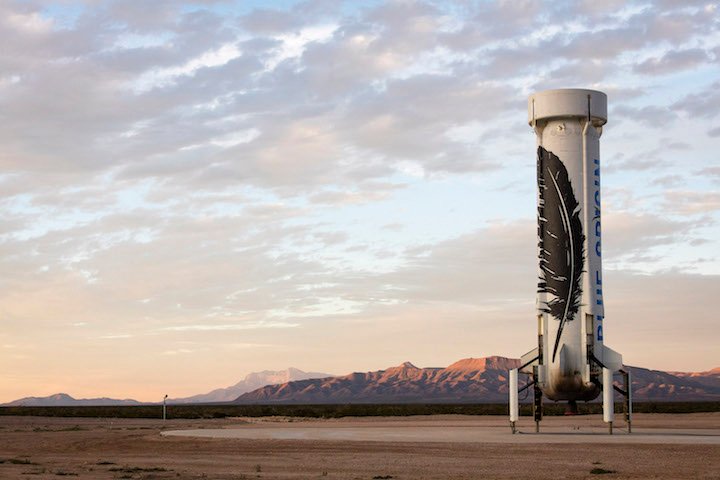
- First Rocket Re-usability (2016): Blue Origin successfully launched and landed the New Shepard rocket for the first time, showcasing re-usability.
- New Glenn Announcement (2016): Blue Origin announced the development of New Glenn, a reusable orbital launch vehicle.
Partnerships and New Shepard Commercial Flights (2017-Present):
- NASA Partnership (2017): Blue Origin partnered with NASA on the development of lunar lander technology for the Artemis program.
- New Shepard Commercial Flights (2021): Blue Origin initiated commercial suborbital spaceflights for paying customers aboard New Shepard.
New Glenn Development (2022-Present):
- New Glenn Progress: Ongoing development of the New Glenn orbital launch vehicle, intended for commercial satellite launches and crewed missions.
Credibility:
- Jeff Bezos Leadership: Led by Jeff Bezos, the founder of Amazon, Blue Origin benefits from Bezos' vision, leadership, and financial backing.
- NASA Collaborations: Blue Origin's collaboration with NASA on lunar exploration projects enhances its credibility in the space industry.
Mission, Goals, and Vision:
Mission:
- Blue Origin's mission is to build a future where millions of people can live and work in space.
Goals and Vision:
- Space Tourism: Enable suborbital and eventually orbital space tourism for private individuals.
- Reusable Rocketry: Develop and advance reusable rocket technology to reduce the cost of space access.
- Lunar Exploration: Contribute to lunar exploration through partnerships with NASA and the development of lunar lander technology.
- Heavy-Lift Launch Vehicles: Provide reliable and cost-effective heavy-lift launch services for commercial and government payloads.
Space Diplomacy:
NASA Partnerships:
- Blue Origin collaborates with NASA on various projects, including the development of the Human Landing System for the Artemis program.
Public Perception, and Influence:
- High Public Interest: Blue Origin's initiatives, especially in space tourism, have generated significant public interest and excitement.
- Influence on the Space Industry: Blue Origin's focus on re-usability has influenced the broader space industry's approach to reducing launch costs.
12 Key Figures:
- Jeff Bezos: Founder of Blue Origin and Amazon, providing leadership and significant financial backing.
- Bob Smith: CEO of Blue Origin, responsible for the overall management and strategic direction.
- Dr. Erika Wagner: Vice President of Blue Origin's New Glenn program, contributing to the development of the orbital launch vehicle.
- Rob Meyerson: Former President of Blue Origin, played a key role in the company's early development.
- Ariane Cornell: Director of Astronaut and Orbital Sales, leading efforts in commercial space tourism.
- Brent Sherwood: Senior Vice President of Advanced Development Programs, overseeing long-term technology development.
- Steve Squyres: Chief Scientist at Blue Origin, contributing to the company's scientific endeavors.
- Clay Mowry: Vice President of Global Sales, responsible for business development and partnerships.
- Anne Caraccio: Chief Engineer, providing technical leadership in spacecraft design and development.
- Nitin Arora: Vice President of Human Resources, overseeing human resource strategies and initiatives.
- Vanessa Rocchio: Vice President of External Relations, managing external communications and relations.
- Brett Alexander: Director of Government Sales and Strategy, contributing to government partnerships.
Divisions, and Centers:
- Kent, Washington: Blue Origin's main headquarters, including engineering, research, and development facilities.
- Cape Canaveral, Florida: Launch and landing site for New Shepard suborbital spaceflights.
- New Glenn Manufacturing Facility: Planned facility for manufacturing the New Glenn orbital launch vehicle.
Member State, and Collaborations:
- Private Company: Blue Origin operates as a private aerospace manufacturer and spaceflight services company.
- NASA Collaborations: Collaborates with NASA on projects such as the Artemis program's Human Landing System.
Joint Ventures:
- Blue Moon: Blue Origin's lunar lander project, which aims to facilitate human missions to the Moon in collaboration with NASA.
Key Area of Activity:
- Suborbital Space Tourism: Offering commercial suborbital spaceflights for paying customers.
- Orbital Launch Services: Developing the New Glenn orbital launch vehicle for commercial and government payloads.
- Lunar Exploration: Contributing to lunar exploration through partnerships with NASA.
10 Key Technologies:
- Reusable Rocket Technology: Advancements in rocket re-usability for cost-effective launches.
- New Shepard Suborbital Spacecraft: Technology for suborbital space tourism.
- New Glenn Orbital Launch Vehicle: Development of a reusable heavy-lift launch vehicle.
- Lunar Lander Technology: Contribution to lunar exploration through the Blue Moon lunar lander.
- Rocket Engines: Design and development of advanced rocket engines.
- Spacecraft Avionics: Avionics systems for spacecraft guidance and control.
- Aerospace Materials: Research into lightweight and durable materials for spacecraft construction.
- Space Tourism Infrastructure: Facilities and systems for commercial space tourism.
- Cryogenic Propulsion Systems: Development of advanced cryogenic propulsion for launch vehicles.
- Autonomous Landing Systems: Technology for precision landing and reuse of rocket stages.
Financial Standing:
- Privately Funded: Blue Origin is privately funded, with substantial financial backing from founder Jeff Bezos.
- Investment: The company's financial standing is robust, with continued investments in research, development, and infrastructure.
Notable Missions:
- New Shepard Suborbital Flights: Series of successful suborbital spaceflights with New Shepard, including the first crewed flight with Jeff Bezos.
Operations, and Flight:
- Regular Suborbital Flights: New Shepard conducts regular suborbital spaceflights for commercial and research purposes.
- Development of New Glenn: Ongoing development and testing of the New Glenn orbital launch vehicle.
Launch Vehicles:
- New Shepard: Suborbital rocket and spacecraft for space tourism and research.
- New Glenn: Orbital launch vehicle designed for commercial and government payloads.
Launches:
- Suborbital Space Tourism: Regular suborbital spaceflights for paying customers aboard New Shepard.
Impact, and Legacy:
- Pioneer in Re-usability: Blue Origin's focus on reusable rocket technology has influenced the industry and contributed to cost reduction.
- Space Tourism Trendsetter: Blue Origin has played a significant role in popularizing the concept of commercial space tourism.
Achievements:
- First Suborbital Rocket Re-usability: Achieved with the New Shepard rocket in 2016.
- First Crewed Suborbital Space Tourism Flight (2021): Jeff Bezos and crew completed a successful suborbital space tourism flight aboard New Shepard.
Innovations:
- Reusable Rocket Technology: Blue Origin's pioneering work in developing reusable rocket systems.
- Suborbital Space Tourism Model: Innovations in commercial suborbital space tourism business models.
Challenges:
- Competition in the Commercial Space Industry: Facing competition from other private space companies in the rapidly growing commercial space sector.
- New Glenn Development Challenges: Overcoming technical and logistical challenges in the development of the New Glenn orbital launch vehicle.
Future Endeavors, and Initiatives:
- New Glenn Launches (2022 and beyond): Planned launches of the New Glenn orbital launch vehicle for commercial and government payloads.
- Space Tourism Expansions: Continued expansion of commercial suborbital space tourism operations.
- Lunar Exploration Contributions: Ongoing contributions to NASA's Artemis program for lunar exploration.