


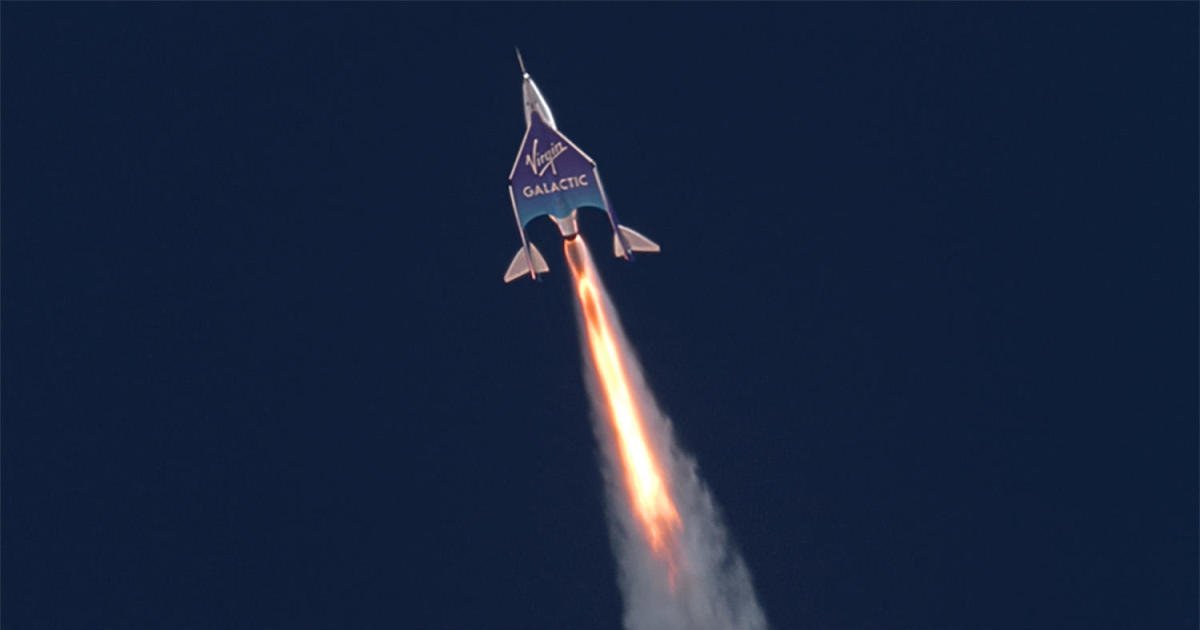
Virgin Galactic:
A Comprehensive History from Conception to Present (2004-Present)
Formation and Early Years (2004-2010):
- Founding (2004): Virgin Galactic was founded by Sir Richard Branson and Burt Rutan with the goal of providing suborbital spaceflights for tourists.
- SpaceShipOne (2004): The precursor to Virgin Galactic, SpaceShipOne, became the first privately-funded spacecraft to reach the edge of space.
SpaceShipTwo Development and Test Flights (2010-2014):
- SpaceShipTwo Unveiling (2009): The VSS Enterprise, Virgin Galactic's first SpaceShipTwo, was unveiled.
- Test Flight Program (2010-2014): SpaceShipTwo underwent a series of test flights, including glide tests and powered flights.
VSS Unity and Commercial Operations (2014-Present):
- VSS Unity Unveiling (2016): Virgin Galactic unveiled the VSS Unity, the second SpaceShipTwo.
- First Powered Flight of VSS Unity (2018): VSS Unity completed its first powered flight, reaching space.
- Unity's First Suborbital Spaceflight (2018): VSS Unity successfully completed its first suborbital spaceflight.
- SpaceShipTwo Commercial Operations (Ongoing): Virgin Galactic initiated commercial operations, offering suborbital spaceflights for paying customers.
Credibility:
- SpaceShipOne Success: Virgin Galactic's credibility was bolstered by the success of SpaceShipOne, demonstrating the feasibility of commercial spaceflight.
- Safety Measures: The company emphasizes safety measures and thorough testing to ensure the safety of its passengers.
Mission, Goals, and Vision:
Mission:
- Virgin Galactic's mission is to become the world's first commercial spaceline, providing suborbital spaceflights for private individuals.
Goals and Vision:
- Suborbital Tourism: Provide commercial suborbital spaceflights for paying customers.
- Future Orbital Spaceflights: Explore the possibility of future orbital spaceflights.
- Research and Education: Support scientific research and educational initiatives through space access.
Space Diplomacy:
- Collaborations with Space Agencies: Collaborations with space agencies and international organizations for research and space tourism.
Public Perception, and Influence:
- Symbol of Commercial Space Tourism: Virgin Galactic is often viewed as a symbol of the emerging commercial space tourism industry.
- Influence on Public Interest: The company's milestones, including successful spaceflights, have contributed to increased public interest in space tourism.
12 Key Figures:
- Sir Richard Branson: Founder and visionary leader of Virgin Galactic.
- Burt Rutan: Aerospace engineer and designer, instrumental in the development of SpaceShipOne.
- George T. Whitesides: Former CEO, played a key role in the development and commercialization of Virgin Galactic.
- Michael Colglazier: Current CEO, overseeing the company's commercial operations.
- Beth Moses: Chief Astronaut Instructor, responsible for training future Virgin Galactic astronauts.
- Stephen Attenborough: Former Commercial Director, involved in the development of the commercial space tourism market.
- Chamath Palihapitiya: Investor and former board member, supported Virgin Galactic's public listing.
- Alistair Burns: Chief Engineer, involved in the technical aspects of Virgin Galactic's spacecraft.
- Dr. Enrico Palermo: President, responsible for leading the overall strategy and operations.
- Dave Mackay: Chief Pilot, conducted key test flights and spaceflights.
- Josh Benamran: Former Chief Strategy Officer, involved in strategic planning.
- Julie Gilhart: Board Member, contributing to the company's overall direction.
Divisions, and Centers:
- Spaceport America: The primary operational base for Virgin Galactic's spaceflights, located in New Mexico.
- Virgin Galactic Design and Engineering Center: Located in Mojave, California, focusing on spacecraft development.
- Future Spaceports: Exploration of additional spaceports for global operations.
Member State, and Collaborations:
- Private Company: Virgin Galactic operates as a private company but collaborates with space agencies and organizations for research and development.
Joint Ventures:
- Virgin Orbit: While a separate entity, Virgin Orbit, a sister company, focuses on small satellite launch services.
Key Area of Activity:
- Suborbital Space Tourism: Offering suborbital spaceflights for paying customers.
- Scientific Research: Collaborating with researchers and institutions for scientific experiments during spaceflights.
10 Key Technologies:
- SpaceShipTwo Spacecraft: The primary vehicle for suborbital spaceflights.
- Hybrid Rocket Motor: Propelling the spacecraft into suborbital space.
- Feathered Reentry System: Unique design for reentry to Earth's atmosphere.
- WhiteKnightTwo Carrier Aircraft: Launch platform for SpaceShipTwo.
- Cabin Interior Design: Providing a unique and immersive experience for passengers.
- Spacesuit Technology: Designed for comfort, safety, and functionality during spaceflights.
- Ground Operations Systems: Ensuring safe and efficient launch and recovery procedures.
- Flight Control Systems: Advanced avionics for spacecraft control.
- Safety Systems: Robust safety measures and emergency protocols.
- Launch and Recovery Systems: Specialized equipment for the launch and recovery of SpaceShipTwo.
Financial Standing:
- Public Listing: Virgin Galactic went public through a merger with Social Capital Hedosophia in 2019.
- Investor Interest: The company's financial standing is influenced by investor sentiment and public interest in space tourism.
Notable Missions:
- Unity 22 (2021): Carried founder Sir Richard Branson on a suborbital spaceflight.
- Various Test Flights: Conducted numerous test flights to evaluate spacecraft performance.
Operations, and Flight:
- Commercial Operations: Offering suborbital spaceflights for customers.
- Test Flights: Continued testing and refinement of spacecraft capabilities.
Launch Vehicles:
- SpaceShipTwo: The primary spacecraft for suborbital spaceflights.
Launches:
- Regular Test Flights: A series of test flights to ensure the reliability and safety of SpaceShipTwo.
Impact, and Legacy:
- Pioneer in Commercial Space Tourism: Virgin Galactic is recognized as a pioneer in the commercial space tourism industry.
- Inspiration for Space Tourism: The company's success has inspired other ventures to explore commercial space travel.
Achievements:
- First Commercial Space Tourism Company: Achieved the status of the first company to offer commercial suborbital spaceflights.
- Unity 22 Mission: Successful suborbital spaceflight with Sir Richard Branson on board.
Innovations:
- Spacecraft Design: Innovative design for safe and enjoyable space tourism experiences.
- Hybrid Rocket Technology: Pioneering the use of hybrid rocket engines for spaceflight.
Challenges:
- Technical Challenges: Overcoming technical challenges in spacecraft development and testing.
- Competition in Space Tourism: Facing increasing competition in the emerging space tourism market.
Future Endeavors, and Initiatives:
- Global Space Tourism Operations: Expanding suborbital space tourism operations globally.
- Orbital Spaceflights: Exploring the possibility of future orbital spaceflights for research and tourism.
- Advanced Spacecraft Development: Ongoing development of advanced spacecraft for enhanced space tourism experiences.