


Sol System
The solar system formed about 4.6 billion years ago from a gigantic molecular cloud of gas and dust in space. This cloud, known as the solar nebula, likely collapsed due to the influence of a nearby supernova explosion or a shock wave from a previous star formation event.As the solar nebula collapsed, it began to rotate and form a spinning disk. At the center, a young Sun formed, while the surrounding material in the disk started to clump together due to gravity. These small clusters, called planetesimals, collided and merged, gradually forming protoplanets.Over millions of years, these protoplanets continued to grow by accreting more material from the disk. Eventually, the four inner planets (Mercury, Venus, Earth, and Mars) formed closer to the Sun, where it was hotter and only dense materials could survive. Further out, in the cooler regions of the disk, gas giants like Jupiter and Saturn formed, accumulating large amounts of hydrogen and helium.Some protoplanets and planetesimals were expelled from the inner part of the solar system due to gravitational interactions, while others collided and merged. This process, known as planetary migration, played a significant role in determining the final arrangement of the planets.The remaining material in the solar nebula formed smaller objects like asteroids and comets. These remnants continue to exist in various parts of the solar system, providing valuable insights into the history and initial composition of our celestial neighborhood.

The Sun
The Sun belongs to the population of stars known as Population I. Population I stars are relatively young stars found in...
READ
The Planets
The origin of the planets can be traced back to the early stages of the universe, about 4.6 billion years ago. It all be...
READ
Mercury
Extreme Temperature Variations: Mercury experiences the most extreme temperature fluctuations of any planet in our Solar...
READ
Venus
Venus Transit: A Venus transit is a rare event where Venus passes between the Earth and the Sun, appearing as a small do...
READ
Earth. Our Home
Earth our home, the third planet of the solar system, harbors diverse life, environment, and is a shelters us Humans, to...
READ
Mars
Olympus Mons: Tallest volcano in the solar system, nearly three times the height of Mount Everest.Valles Marineris: One...
READ
Jupiter
The stripes and swirls on Jupiter refer to the distinctive atmospheric features visible on the surface of the planet.Str...
READ
Saturn
Hexagonal Storm: One of the most intriguing features of Saturn is the hexagonal storm at its north pole. This unique atm...
READ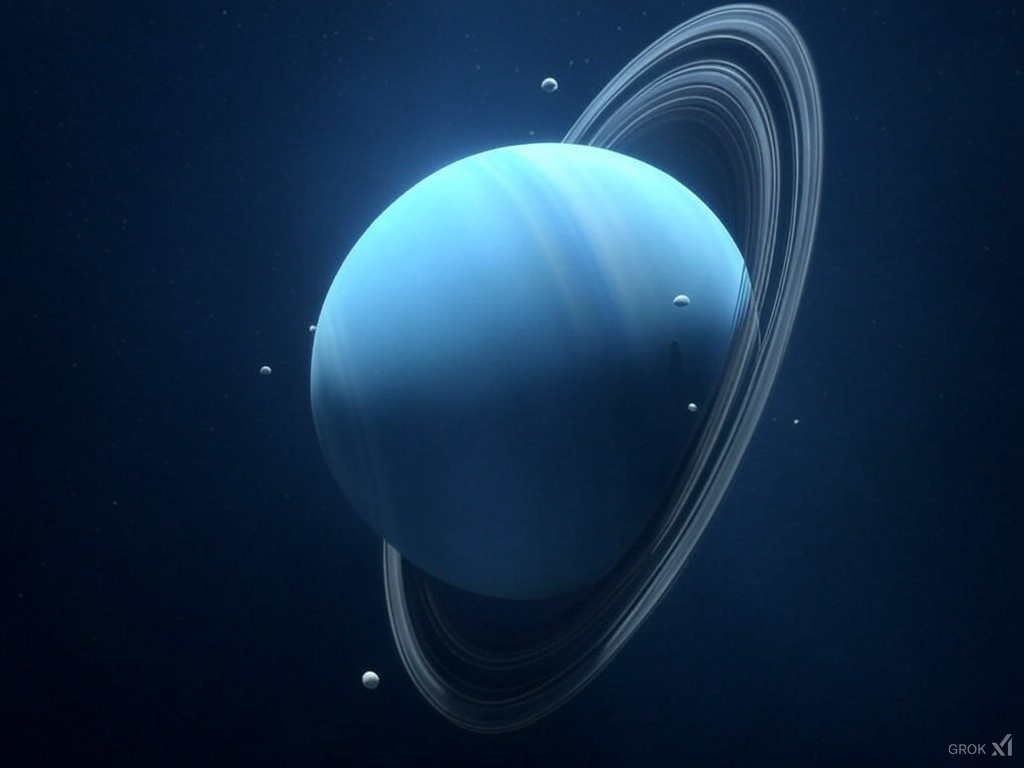
Uranus
Extreme Axial Tilt: Uranus has an extreme axial tilt, which means its rotational axis is highly inclined compared to its...
READ